
Sometimes, dieting and exercising is not enough to reach your physique goals. Fortunately, procedures like liposuction help you achieve your dream lower-maintenance body by refining body contours. Dr. Fodero offers this surgery for residents from Morris County and other parts of NJ, along with consultations where you can establish realistic aesthetic goals. In this article, he breaks down the most common misconceptions surrounding this procedure
Liposuction: An Overview
Also known as lipoplasty, liposuction is a surgical procedure where the surgeon removes excess fat from targeted areas of the body. Typically, it’s used to sculpt the shape of the abdomen, hips, thighs, buttocks, and other areas where the patient wants to remove the fat from, resulting in a slim and proportional figure. A liposuction addresses these body areas:
- Abdomen and waist.
- Back.
- Calves and ankles.
- Hips and buttocks.
- Inner knee.
- Thighs.
- Upper arms.
In order to achieve improved results, board-certified plastic surgeons frequently combine liposuction with complementary procedures such as facelift, breast reduction, and tummy tuck.
How Is Liposuction Performed?
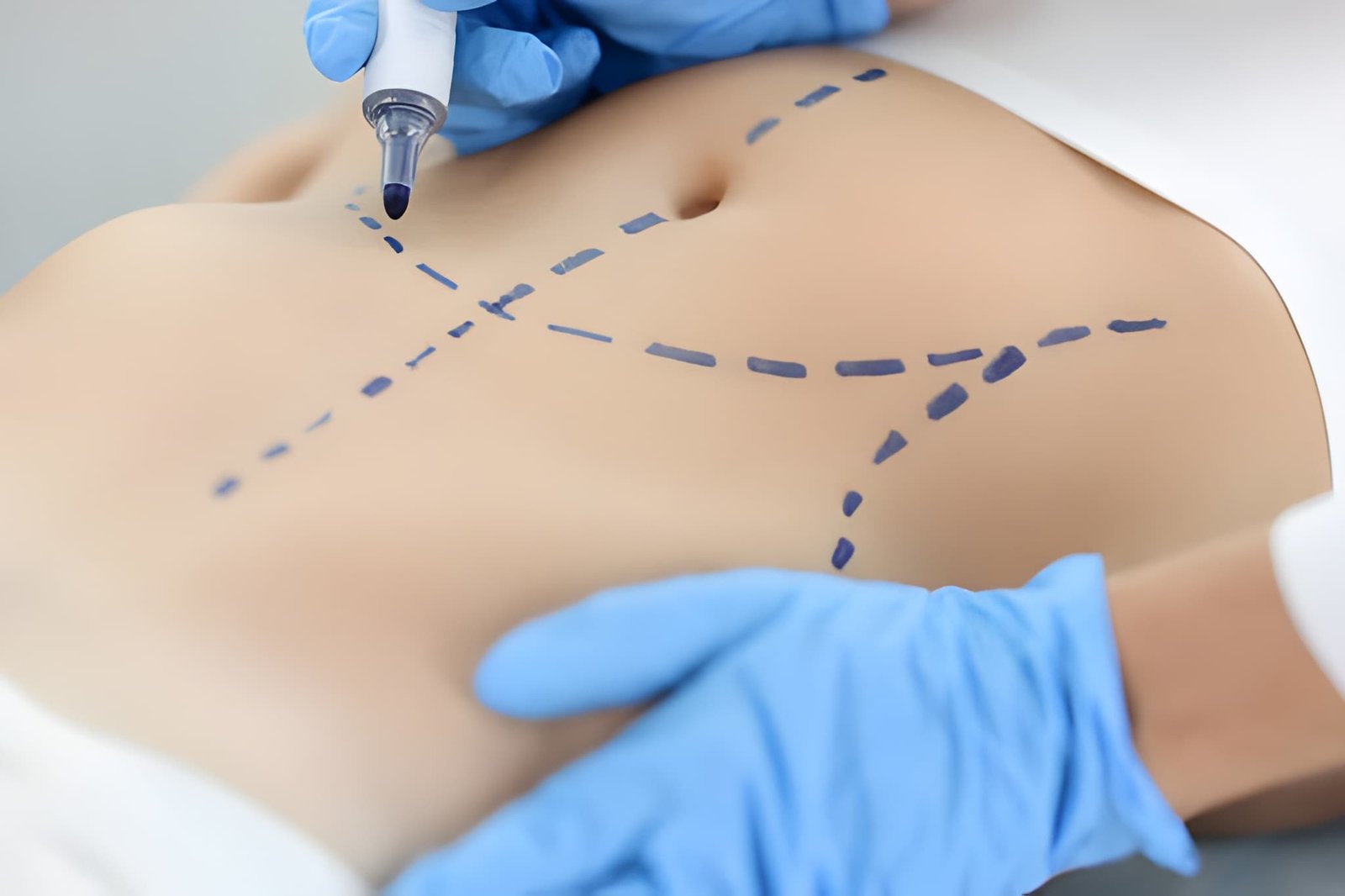
During a liposuction, which is performed under local or general anesthesia, the areas where the target anatomical zones are first marked. Then, a sterile saltwater solution containing a local anesthetic and a vasoconstrictor is inducing vasoconstriction to minimize intraoperative blood loss and surgical trauma. The doctor will perform small incisions that are about 3-4 mm in size, and a surgical vacuum or syringe is used to extract the fat cells permanently from the body.
3 Common Myths (and Truths) Surrounding Liposuction
Although liposuction is a very popular beauty procedure, many misconceptions about it still persist within many people. Listed below are the most common myths that surround this plastic surgery, and the truth behind each of them.
1. “Liposuction Is for Massive Weight Loss”
Liposuction is strictly a body-sculpting procedure, designed to remove stubborn pockets of fat that interfere with your physique goals. Health and safety rules establish that the fat removal limit is about 10-11 pounds (or 5 liters) per procedure session, rendering it inappropriate as a primary weight reduction intervention.
On the flip side, while liposuction does not replace weight loss, it eliminates localized lipodystrophy resistant to diet and exercise, making it easier to work on maintaining your figure.
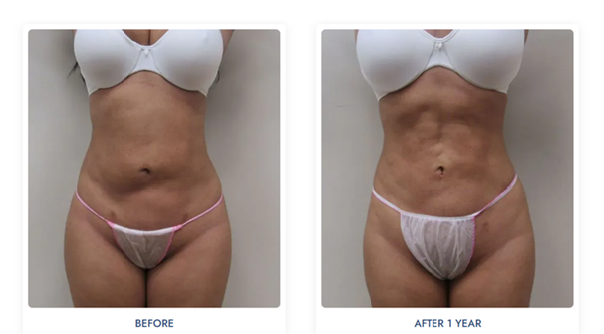
An example of a body-sculpting liposuction
See more in our Before & After Gallery
2. “The Removed Fat Cells Come Back”
The specific fat cells removed during a liposuction surgery can’t “bounce back”, they are permanently gone. However, if you gain weight, the remaining fat cells in your body grow as well, disrupting your body shape. Typically, patients who gain weight after a liposuction increase the volume on the untreated areas, while the targeted parts retain their refined contours proportional to weight gain..
3. “Liposuction Doesn’t Require Downtime”
Every surgical procedure entails a recovery period, and liposuction is not the exception to the rule. After the surgery, the most common side effects are swelling, bruising, and soreness around the treated areas. During the first week after the surgery, it’s recommended to have absolute rest before resuming light or desk work, and another 4 to 6 weeks before trying to lift heavy weights or doing exercise. Doctors recommend using a compression garment to manage the discomfort during the downtime period.
The Liposuction Landscape in Morris County, NJ
In the U.S, liposuction is highlighted as a popular beauty procedure, and the area of Morris County, NJ, is part of the reason why. Across the New Jersey state, there is a strong culture about beauty maintenance, fashion trends, and wellness, which is reflected in how popular plastic surgeries like liposuction are in this area, particularly between men who seek to target stubborn fat in their abdomen, flanks, and chest.
FAQ
What am I not allowed to do after liposuction?
Since liposuction is applied on different parts of the body, the downtime recommendations may vary, but the most common include the following:
- Not sitting for long periods of time.
- Avoiding intense physical activity.
- Restrict from taking blood thinning medications (Aspirin, Apixaban, Rivaroxaban).
What will my skin look like after the surgery?
After a liposuction, your skin will look swollen and bruised for the first weeks. Normally, this procedure doesn’t leave any visible scarring.
Are there other types of liposuction?
There is a wide variety of liposuction techniques, which include:
- Power-assisted liposuction: employs a mechanical or motorized cannula to extract fat.
- VASER liposuction: Utilizes high-frequency ultrasound waves to break fat cells.
- Laser-assisted liposuction: Uses laser heat energy to melt fat deposits.
Sculpt Your Figure with Dr. Fodero
Enhancing your figure’s beauty isn’t about changing your natural proportions, but about building the body you deserve. With a liposuction, your weight-loss journey becomes easier and your confidence gets stronger, especially when it’s performed by a board–certified professional who understands your needs, like Dr. Fodero. If you’re in Morris County, NJ, you can book your consultation with him at Northeastern Plastic Surgery by calling (973) 295-6565 or scheduling an appointment online.